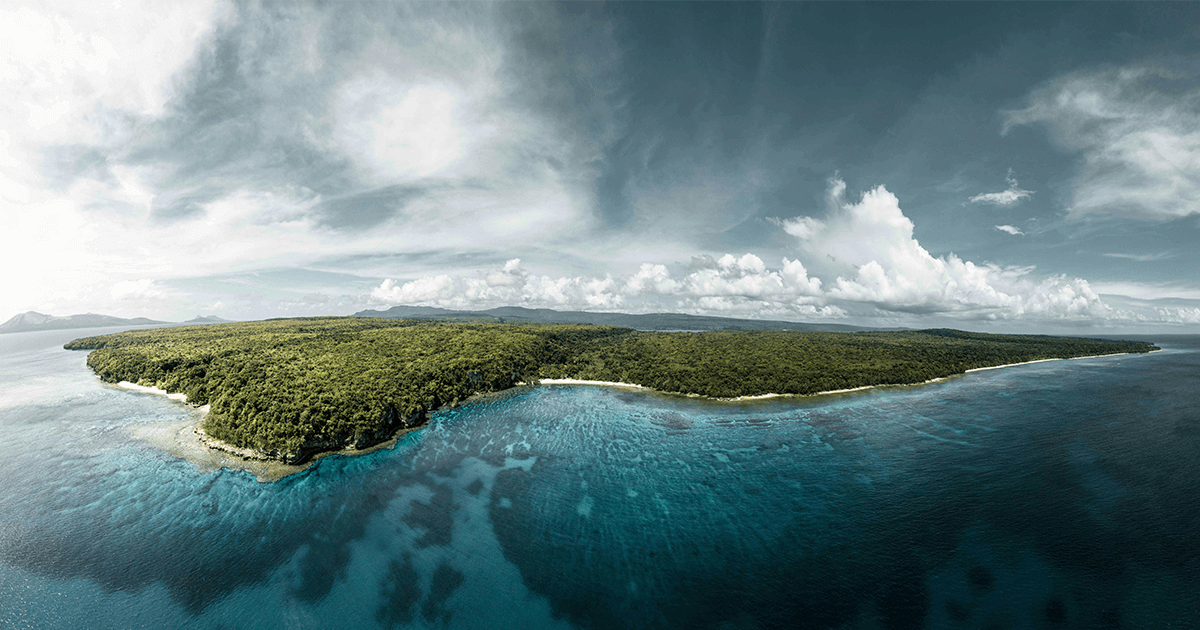
For a certain kind of investor, owning a private island stops being a fantasy and starts looking like a real allocation decision. Vanuatu is one of the few places on earth where that decision actually pencils out.
Land is genuinely available, foreign buyers are welcome, the legal system works, and the price per acre on a tropical island is still a fraction of what you would pay in French Polynesia or the Caribbean.
But buying an island in Vanuatu is not the same as buying a beach house in Bali. The country runs on a leasehold system you have to understand before you sign anything. There are real taxes, real due diligence requirements, and real risks if you skip steps that local buyers know to take.
⚠ Disclaimer
Immigration laws and financial requirements can change anytime, and this article is not intended as legal or financial advice. Before making any decision, please feel free to contact the High Net Worth Immigration team for a free consultation.
Why Vanuatu Is the Right Place to Buy a Private Island
Foreign buyers welcome · Genuine value · Working legal system · Zero direct taxes · Improving infrastructure
Vanuatu is an archipelago of 83 islands sitting in the South Pacific, east of Australia and north of New Zealand. Roughly 65 of those islands are inhabited, which means there is a meaningful supply of smaller islands and undeveloped beachfront available to private buyers.
Foreign buyers are explicitly welcome
Unlike many island nations, Vanuatu has no restriction on non-citizens buying property. You do not need to be a resident, you do not need a job in Vanuatu, and you do not need any special government investor certificate to buy residential or recreational land. Leases must be registered with the Land Records Department, and the law treats foreign lessees the same as local lessees.
Genuine value compared to other tropical markets
Beachfront blocks on Aore Island start around AUD 100,000. Premium waterfront on Efate near Pango or Havannah Harbour can exceed AUD 1 million. Whole private islands typically start around USD 500,000 for smaller, undeveloped cays and run up to USD 3 to 5 million for larger islands with infrastructure. A comparable property in Fiji, French Polynesia, or the Caribbean is often three to five times the price.
A working legal system
Vanuatu's property law is based on English common law. Leases are registered, transferable, and inheritable. Land disputes are handled through a structured process. The country is a member of the Commonwealth and the United Nations, with a stable parliamentary democracy and a low crime rate by Pacific standards.
Practical tax treatment for property owners
Vanuatu has no annual property ownership tax, no capital gains tax, no inheritance or estate tax, and no personal income tax. The taxes that do apply are clear and predictable, and we cover them in detail further down.
Improving infrastructure
Tourism arrivals have rebounded strongly through 2025 and into 2026. Starlink is now active across most of the archipelago, which has changed what is possible for remote work and remote living on outlying islands. The government continues to invest in wharfs, roads, and airport upgrades.
How Property Ownership Actually Works
The single most important section. Misunderstanding the ownership system is the most common reason foreign buyers run into trouble.
Vanuatu has no freehold land. All land in Vanuatu is held under a leasehold system. As a foreign investor, you acquire a registered, transferable lease, not freehold title. In practice, once your lease is registered under the Land Leases Act, it becomes a legal asset you can sell, sub-lease, mortgage, or pass on to your heirs.
The Two Types of Land
Custom Land vs Government Land
Custom Land
Owned by indigenous family or community groups. Covers most rural land in Vanuatu, including the majority of private islands available for sale.
Lessor: Indigenous custom owners
Government Land
Urban areas of Port Vila and Luganville, declared public land under the Land Reform Act of 1980. Foreigners can lease both, but custom land needs deeper diligence.
Lessor: Government of Vanuatu
Lease Terms at a Glance
Maximum Lease Durations
Following an amendment to the Land Lease Act passed in 2023, urban lessees holding leases of less than 75 years can apply to extend up to 75 years subject to an extension payment.
The lease document is your title
When you buy an island, what you actually receive is a Transfer of Lease deed. This is registered at the Land Records Department, and the registered lease is your evidence of ownership. Copies of the lease, the registration documents, and the survey plan should be kept in safe custody, and ideally with backup copies held by your lawyer.
You can hold the lease through a company or trust
Many high net worth buyers do not hold the lease in their personal name. A Vanuatu international company or a trust structure can offer better asset protection, simpler estate planning, and cleaner tax treatment depending on your home jurisdiction. Discuss this with your advisors before signing.
Whatever your situation, book a completely free and confidential meeting today. High Net Worth Immigration brings 15+ years of experience helping clients secure second passports, residency, and cross-border asset protection.
The Seven Steps to Buying an Island
A typical island acquisition takes three to five months from offer to settlement.
Define your investment brief
Get specific about what you want from the asset. Is this a lifestyle retreat or an income-producing asset? Turnkey or development play? What is your ceiling, including a 15 to 20 percent buffer for transaction costs and immediate improvements?
Week 1 to 2Research available islands and locations
Most private islands sit near Espiritu Santo or Efate. Specialist brokers like First National Espiritu Santo, Aore Real Estate, and platforms like Private Islands Online and Island Seeker rotate listings. Look at access, freshwater, reef quality, elevation, and neighboring custom communities.
Week 2 to 6Engage specialist advisors
Three professionals are non-negotiable: a licensed Vanuatu lawyer for title and lease structuring, a reputable local real estate agent with island-deal experience, and a tax structuring advisor familiar with both Vanuatu and your home jurisdiction.
Before any offerConduct thorough due diligence
The most critical stage. Verify the chain of custom ownership, confirm exact boundaries, check access rights, environmental restrictions, and any community obligations baked into the lease. A proper due diligence package costs USD 8,000 to 25,000 depending on complexity.
4 to 6 weeksNegotiate and sign the sale agreement
Offers are made through a Memorandum of Understanding, followed by a Sale and Purchase Agreement. Standard practice is a 10 percent deposit on signing, with the balance due at settlement. Some sellers offer vendor finance for part of the purchase price.
2 to 4 weeksComplete settlement and lease registration
Pay the balance, stamp duty, and registration fees. Register the new lease at the Land Records Department. Transfers can take around 155 days end to end on complex island deals, although straightforward residential transactions close faster.
Up to 5 monthsPlan for ongoing operations
Insurance against cyclones, earthquakes, and volcanic events runs 0.5 to 0.7 percent of replacement value annually. Build your operating plan: property management, transport, freshwater, power, and waste handling. Construction costs are USD 850 to 1,250 per square meter.
Post-settlementWhat Will It Actually Cost?
Real numbers help you plan. Here is the realistic landscape of costs for serious island buyers in 2026.
The asset itself
Entry Tier
Smaller uninhabited islands of 5 to 30 acres. No infrastructure. Best for private retreats or development projects.
Mid Tier
Partially developed islands with existing structures, water and power systems, and sometimes an existing tourism operation.
Premium Tier
Larger islands of 25 to 60 acres or fully developed estates with multiple beaches, mature rainforest, and existing residences.
Transaction costs
Plan for transaction costs of approximately 10 percent of the purchase price.
Acquiring an island via existing leaseholding company shares: stamp duty drops to 4% on share transfer value, and the 2% registration fee does not apply.
Ongoing costs
There is no annual property ownership tax in Vanuatu. The recurring costs you should budget for are land rent, municipal rates in urban areas, utilities, insurance, and any property management fees. For a private island, also factor in transport (boat, fuel, maintenance), staff, and any community-related obligations under your lease.
Financing options
Several banks operate in Vanuatu including Bank South Pacific, ANZ, BRED, and the National Bank of Vanuatu. Local mortgage rates are currently around 10.2 percent, which is high by international standards. Most foreign buyers therefore finance offshore against other assets or pay cash.
The Vanuatu Tax Picture
Vanuatu's tax framework is one of its biggest advantages for foreign property owners.
What You Don't Pay
Zero Direct Taxation
- Personal income tax0%
- Capital gains tax0%
- Inheritance & estate tax0%
- Wealth & gift tax0%
- Annual property tax0%
- Corporate tax (IBC)0%
What Does Apply
Indirect & Transaction Taxes
- Stamp duty on purchase5%
- Registration fee2%
- VAT on goods & services12.5%
- Rental income tax12.5%
- Annual IBC fee~$300
- Import duty range0 to 20%
Individuals renting out property pay 12.5 percent rent tax on six-month rental income above VT 200,000 (roughly USD 1,650). Companies that rent out property pay 12.5 percent on all rental income with no threshold exemption. Returns are filed twice a year, in June and December.
To become a Vanuatu tax resident, an individual generally needs to spend at least 183 days per year in the country. You do not have to do this to own property in Vanuatu, but if you are willing to spend time there, the residency option opens up additional planning flexibility.
Mistakes That Catch First-Time Buyers
Some of the most expensive mistakes in Vanuatu real estate are entirely avoidable.
Skipping deep due diligence on custom land
A surface check of the registered lease is not enough on a private island. Verify the chain of custom ownership and confirm there are no unresolved disputes, especially on islands held under custom land rather than government land.
Ignoring lease term economics
A residential lease with 18 years left is not the same asset as one with 48 years left, even at comparable prices. Always model renewal cost and timing into your acquisition. If the lease is short, factor extension expenses into your offer.
Underestimating cyclone and seismic exposure
Vanuatu sits in an active seismic zone and is exposed to tropical cyclones. Insurance is non-negotiable, and any construction needs to be specified accordingly. Inspect any existing structures carefully for cyclone damage history.
Using the wrong holding structure
Holding the lease in your personal name is rarely optimal for a high net worth buyer. A Vanuatu IBC, trust, or foreign holding company can provide better asset protection and simpler estate planning. Decide on the structure before you sign.
Underestimating operating costs
A remote private island has higher running costs than buyers expect. Boats need maintenance, generators need fuel, caretakers need salaries. Build a realistic three-year operating budget before you commit capital.
Working with the wrong agent
Not every agent in Vanuatu has experience with international buyers or with whole-island transactions. Ask for references on similar deals and verify the firm is registered with the Vanuatu Financial Services Commission and the Vanuatu Investment Promotion Authority.
Going Further: Vanuatu Citizenship
Buying an island gives you the asset. For investors who want to maximize the strategic value of their Vanuatu position, the country also offers one of the world's fastest citizenship-by-investment programs. A second passport can be added either before, during, or after the property purchase, and the two are completely independent.
The CBI program currently offers two main routes: a non-refundable contribution to the Development Support Program (starting at USD 130,000 for a single applicant, USD 180,000 for a family of four), or the Capital Investment Immigration Plan (around USD 165,000 for a family of four, with USD 50,000 redeemable after four to five years through the Cocoa Sustainable Fund). Processing typically takes 60 to 90 days, with no residency requirement, no language test, and no interview.
If a Vanuatu passport interests you alongside the property, factor it into your overall planning early. The two processes run smoothly in parallel when handled by the same advisory team.
Frequently Asked Questions
Yes. Vanuatu welcomes foreign buyers, but ownership is through leasehold rather than freehold. Leases run up to 50 years for residential property and up to 75 years for commercial property. They are registered, transferable, and inheritable.
Smaller uninhabited islands typically start around USD 500,000. Mid-range developed islands run USD 1.5 to 3 million. Larger or fully developed islands can exceed USD 5 million. Add roughly 10 percent for transaction costs.
A typical island acquisition takes three to five months from offer to settlement. Due diligence alone usually takes four to six weeks. Complex deals with custom land issues can take longer.
No. There is no residency requirement to own property in Vanuatu. Many foreign buyers visit only occasionally and use a property manager to oversee the asset.
Stamp duty of 5 percent and a registration fee of 2 percent on purchase. VAT of 12.5 percent applies to commercial property sales (not residential for the purchaser). There is no annual property tax, no capital gains tax, and no inheritance tax.
Yes. Many private island owners run small resorts, eco-lodges, or seasonal rentals. Individuals pay 12.5 percent rent tax on rental income above VT 200,000 per six-month period. Companies pay 12.5 percent on all rental income with no threshold.
Custom land is owned by indigenous family or community groups and covers most rural land, including most private islands. Government land covers urban areas of Port Vila and Luganville. Both can be leased by foreigners, but custom land requires extra care during due diligence.
Local financing is available through banks like BSP, ANZ, BRED, and National Bank of Vanuatu, but rates are around 10.2 percent and you typically need to be a Vanuatu resident or have a registered Vanuatu business. Most foreign buyers finance offshore or pay cash.

Vicky Katsarova is an internationally recognized advisor in residency and citizenship by investment, with more than 15 years of experience helping investors, entrepreneurs, and families secure strategic residency and citizenship solutions.
Since founding High Net Worth Immigration in 2010, she has advised clients across more than 20 jurisdictions, helping them enhance global mobility, protect family wealth, diversify geopolitical risk, and unlock international opportunities through carefully selected investment migration programs.
Having lived in Bulgaria, the UAE, and Canada, Vicky combines professional expertise with personal international experience. Her boutique advisory is built on discretion, integrity, and long-term client relationships, delivering tailored solutions aligned with each client’s unique objectives.
Member of the Uglobal Writers Council | Contributor to UNIQUE Private Jet Magazine | Featured in CIVITAS POST's “Leading Women” & Women's Journal